Blog

Meta Pushes Back Launch of New Mixed-Reality Glasses to 2027

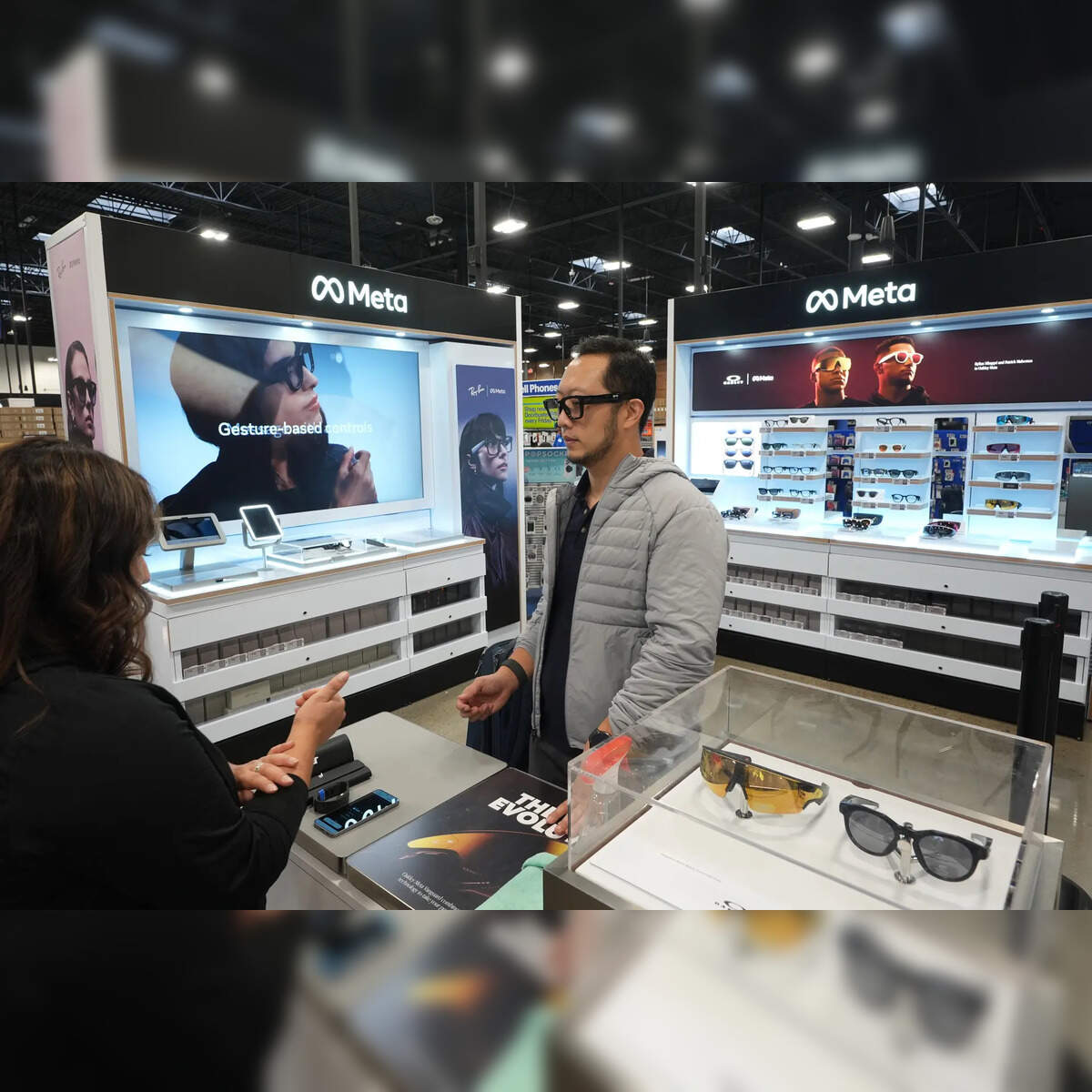
The shift comes after a significant expansion of the leadership team at Meta’s Reality Labs. Reports indicate that Meta has postponed the launch timeline for its new mixed-reality smart glasses to 2027. In a series of internal communications reviewed by Business Insider, Meta’s leadership expressed the need to “get the details right.” The communications also disclose a new wearable device and the upcoming Quest headset.

Meta is reconfiguring its product roadmap for wearables and mixed-reality headsets, as reported by Business Insider. The report references an internal memo from Maher Saba, the vice president of Meta’s Reality Labs Foundation. It indicates that the next-generation mixed-reality glasses are now slated for a 2027 release rather than 2026. Additionally, a prototype wearable and a new Quest headset are reportedly in development.

Initially, the company aimed to release the mixed-reality glasses, codenamed “Phoenix,” in the latter half of 2026. The release has now shifted to the first half of 2027. This slight delay is meant to provide Meta “a lot more breathing room to get the details right,” according to another memo obtained by Business Insider.

“There’s a considerable amount happening with tight timelines and significant changes to our core UX, and we will not sacrifice delivering a fully refined and dependable experience,” stated Metaverse leaders Gabriel Aul and Ryan Cairns, as reported.

In a different memo authored by Saba, there is mention of a “limited edition” wearable version codenamed “Malibu 2,” expected in 2026. The upcoming Meta Quest headset is also described as a “major upgrade” that will “significantly enhance unit economics,” according to Aul and Cairns.

While the memos do not directly refer to the matter, it seems that these delays may relate to the changes in Meta’s design leadership announced this week. Apple designers Alan Dye and Billy Sorrentino are transitioning to Meta to work under Reality Labs. Dye, who led Apple’s human interface design efforts for ten years, is establishing a new design lab at Meta.

Dye will collaborate with Meta’s CTO Andrew Bosworth, who commented that he is “joining Meta to assist in crafting the future of computing at the convergence of AI, wearables, and spatial computing.”

The two Apple designers are making the move to Meta after contributing to projects like Liquid Glass, the Apple Watch, visionOS, and Apple Vision Pro. The memos highlighted “significant changes to our core UX,” which the newly recruited design leaders at Meta may wish to influence.

These delays occur as Meta anticipates strong competition in the smart glasses and virtual reality markets. New Android XR hardware is expected to debut next year to compete with Meta’s glasses and Meta Quest headsets, and Google will share further details in a livestream this coming Monday, Dec. 8.

Read More


How to Turn Your Raspberry Pi into a Local AI Assistant

enhance your smart home’s intelligence through countless methods to improve your bedroom – but one specific GitHub contributor surpassed expectations. Simone Marzulli took the initiative to create his own local AI agent and subsequently trained it to operate on a Raspberry Pi 5. Quite remarkable, if you ask us.

Marzulli’s primary objective was straightforward, at least theoretically: nothing should exit the Raspberry Pi. This literally meant he aimed to prevent any AI tasks from being transferred to third-party services; he aimed to protect his personal data, and we understand his reasoning. Additionally, Simone desired all these in-house scripts to utilize open large language models (LLMs), and he wanted his AI assistant to respond to vocal commands.

Marzulli then acquired a compact chassis, screen, and cooling fan for his Pi-based agent. His final product — a smart display he refers to as Max Headbox — is truly remarkable.

A screen-headed assistant for your workspace

Max Headbox was crafted to be an expressive, screen-driven AI assistant that showcased a face (designed using GIMP to animate one of Microsoft’s Fluent Emojis) and would respond to vocal commands upon hearing a trigger word. Marzulli even incorporated touchscreen features, where a tap would activate the system’s microphone to initiate his voice instructions.

Another tap would terminate the recording, and he could also tap while the LLM was replying to cancel the request entirely. He chose a minimalist interface, too, featuring rotating, colored ribbons as his three main indicators: ready for trigger word (blue), voice is currently being recorded (red), and LLM is active (rainbow).

Regarding the open models that were employed

Read More
Apple TV Unveils New F1 Streaming Agreement Highlighting Driver Onboard Cameras

**Apple Assumes Command: Transition of F1 Broadcasting in the U.S.**

The end of the 2025 Formula 1 championship signifies a major change in the broadcasting scene for motorsport enthusiasts in the United States. Starting next year, Apple will become the sole broadcaster for F1, concluding ESPN’s lengthy coverage. This change is part of a five-year alliance revealed by Apple, which will see every race streamed via an Apple TV subscription beginning with the 2026 season.

### Novel Streaming Experience

Apple’s entry into F1 broadcasting is set to improve the viewing pleasure for fans. A recent advertisement on social media introduced the new F1 channel within the Apple TV app, highlighting a modern interface designed for straightforward navigation. The inaugural race weekend is planned for March 6-8, 2026, yet fans can anticipate the service to launch earlier, potentially featuring preseason material.

Subscribers to Apple TV will access all Formula 1 offerings at no extra cost. This encompasses not only the Grand Prix races but also practice sessions, qualifying, and sprint races throughout the season. The integration of onboard driver cameras and a Multiview function will allow fans to experience multiple angles during races, a feature previously exclusive to F1.TV.

### Improved Features and Access

Apple’s dedication to enhancing the F1 watching experience goes beyond simple race coverage. The platform is anticipated to roll out further features and production upgrades in the upcoming months, guaranteeing that fans access the latest technology and content. For those especially devoted to F1, Apple TV subscribers will also be able to sign into the F1.TV website or applications, retaining access to the vast content previously available to F1.TV subscribers without needing a separate subscription.

### Subscription Information

At present, an Apple TV subscription is priced at $12.99 per month or $99 per year. Fans may also choose the Apple One bundle, which provides Apple TV at a reduced rate along with other Apple services, including iCloud storage. This tactical approach not only streamlines access to F1 content but also positions Apple as a prominent player in the sports broadcasting field.

### Conclusion

As the 2025 F1 championship wraps up, the shift to Apple as the exclusive U.S. broadcaster signals a new chapter for motorsport fans. With cutting-edge features and a comprehensive streaming service, Apple seeks to enhance the F1 viewing experience, rendering it more accessible and engaging for fans nationwide. As the 2026 season draws near, excitement mounts for what is expected to be an exhilarating new phase in Formula 1 broadcasting.

Read More
Utilizing LiDAR on Your iPhone: A Manual and Its Advantages

iPhone features that many individuals are unaware of — measuring a person’s height, augmented reality gaming, and improved camera autofocus. With the LiDAR technology integrated into your iPhone, you can enhance your interaction with the surroundings.

Nonetheless, it’s crucial to understand that the LiDAR scanner isn’t available as a standard feature on every iPhone. It is exclusively included in the Pro versions of both the iPhone and iPad, commencing with the iPhone 12 Pro and Pro Max, as well as the iPad Pro 11-inch (2nd generation) and 12.9-inch (4th generation). If you possess one of these devices, here’s how to utilize the LiDAR.

How to make use of your iPhone’s LiDAR sensor with native applications

Gemini Unveils ‘My Stuff’ Folder to Improve User Navigation

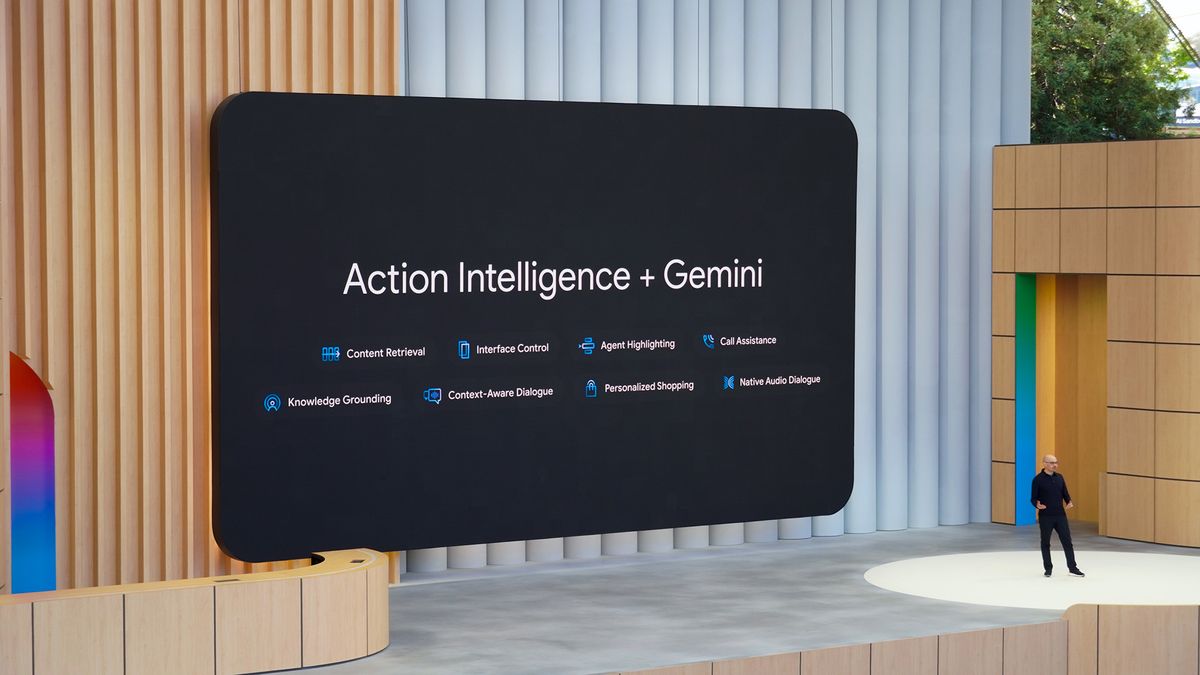
Google is rolling out a dark mode for its online interface, enhancing accessibility and user experience. This fresh design, part of the Gemini web interface overhaul, showcases a contemporary aesthetic with a dark theme selection. The update aligns with the introduction of Gemini’s sophisticated AI models, intended to enrich online interactions. The revamped web version features a simplified “My Stuff” folder for convenient access to previously created content. The homepage now displays a bluish-gray backdrop in light mode and a solid-black background in dark mode, accompanied by a more engaging user interface. These updates demonstrate Google’s dedication to delivering a more visually appealing and user-friendly online experience.

Read More
Google Pixel Now Works as Nintendo Switch 2 Webcam for GameChat

A silent update has enabled the use of a Pixel phone in USB webcam mode with the Switch 2.

What you should know:
– Google Pixel phones inherently function as USB webcams, but this capability was not compatible with the Nintendo Switch 2.
– Now, after a subtle update, you can utilize your Pixel phone as a webcam for the Switch 2.
– The webcam functionality on the Switch 2 enhances the GameChat feature, allowing users to video call and share gameplay screens with friends.

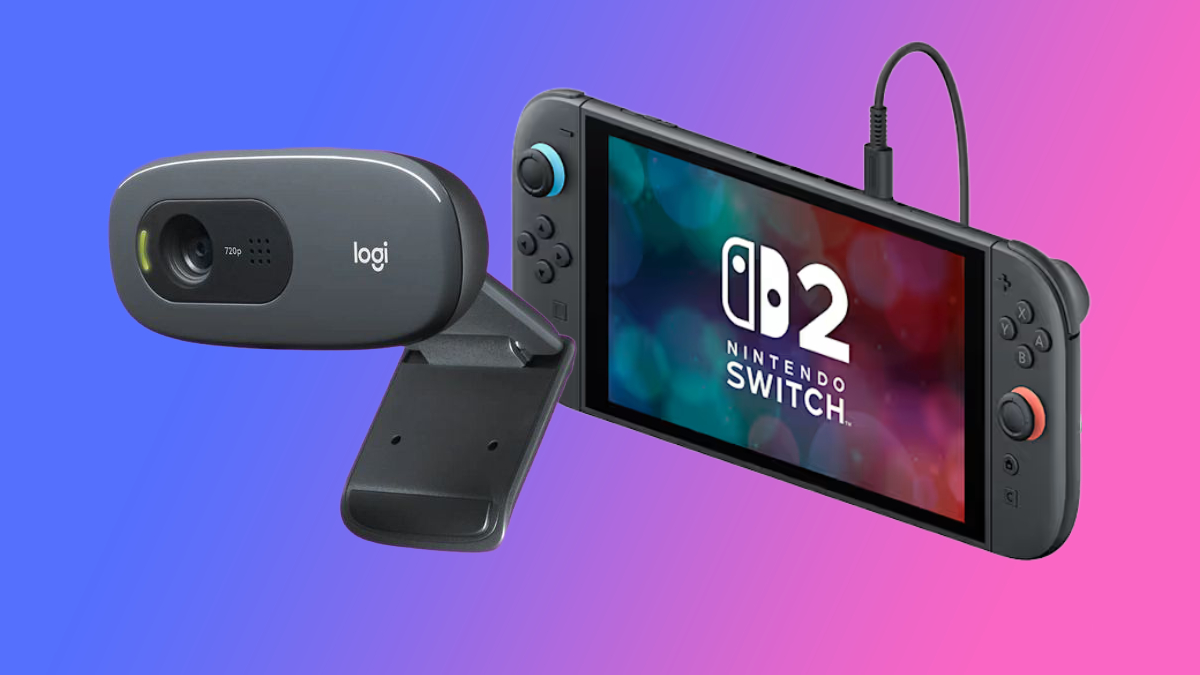
Google provides a variety of useful features on Pixel phones, including the functionality to serve as USB webcams. This feature was initially introduced in Android 14 QPR1, but Google Pixel devices remain the sole Android phones that support it. By adhering to the USB Video Class webcam standard, you can connect a Pixel to a host device and use its camera as a webcam. Currently, this capability is functional with the Nintendo Switch 2.

As noticed by user Nadir92 on X (previously Twitter) and reported by Android Authority, the GameChat feature on the Switch 2 now functions with Pixel phones. By linking a USB-C cable between your Switch 2 and a Pixel phone, you can make use of the phone’s live camera feed for GameChat.

Nintendo’s innovative GameChat feature is a significant addition to the Switch 2, facilitating gameplay in an engaging group setting with friends. Once connected to a webcam, users can enter a group video call and share their screens. This function is compatible with various games, providing an ingenious approach to playing Switch 2 games remotely with others. However, there is one drawback — the Nintendo Switch 2 lacks a built-in camera.

Nintendo states that the Switch 2’s GameChat feature supports most USB webcams. The company even offers a first-party camera accessory for $50 explicitly designed for Game Chat. Nonetheless, this accessory is relatively large and is more suited for a home gaming setup rather than portability.

Hence, utilizing a smartphone — a gadget equipped with multiple cameras and a USB-C port that most individuals already have on hand — is ideal for GameChat functionality on the Switch 2. Regrettably, the Google Pixel USB webcam mode was not compatible with GameChat at the Switch 2’s launch. This issue has now been rectified, providing Pixel phone users with a convenient GameChat webcam that is always accessible.

It remains uncertain whether an update from Google or Nintendo enhanced the compatibility between these devices. Regardless, it’s a positive development for Switch 2 owners who also possess a Pixel, as they have just discovered a new way to utilize GameChat.

Read More
Unpacking the Galaxy Z TriFold: A Comprehensive Examination of Samsung’s Most Recent Breakthrough

Unboxing and testing the Samsung Galaxy Z TriFold!

(Image credit: Samsung)

Essential information

  • The Galaxy Z TriFold from Samsung showcases a 10.1-inch screen with a unique U-shaped tri-fold construction.
  • Mrwhosetheboss provides in-depth hands-on feedback, highlighting the device’s design, software, and overall user interface.
  • This gadget features standalone Samsung DeX and is launched in Korea with a price point of $2,400.
Notice

Read More

Galaxy Watch 5 and Pro Users Await One UI 8 Watch Update After Beta Wrap-Up

The moment is nearly here.

(Image credit: Michael Hicks / Android Central)

Essential information

  • One UI 8 Watch has been released for Galaxy Watch 8, 7, and 6 series
  • Galaxy Watch 5 series is anticipated to get the stable One UI 8 Watch update shortly
  • This significant update includes enhancements to Wear OS 6 and introduces features like Running Coach

Notice

Read More

Possible Hold-up in the Deployment of Nothing OS 4 Based on Android 16

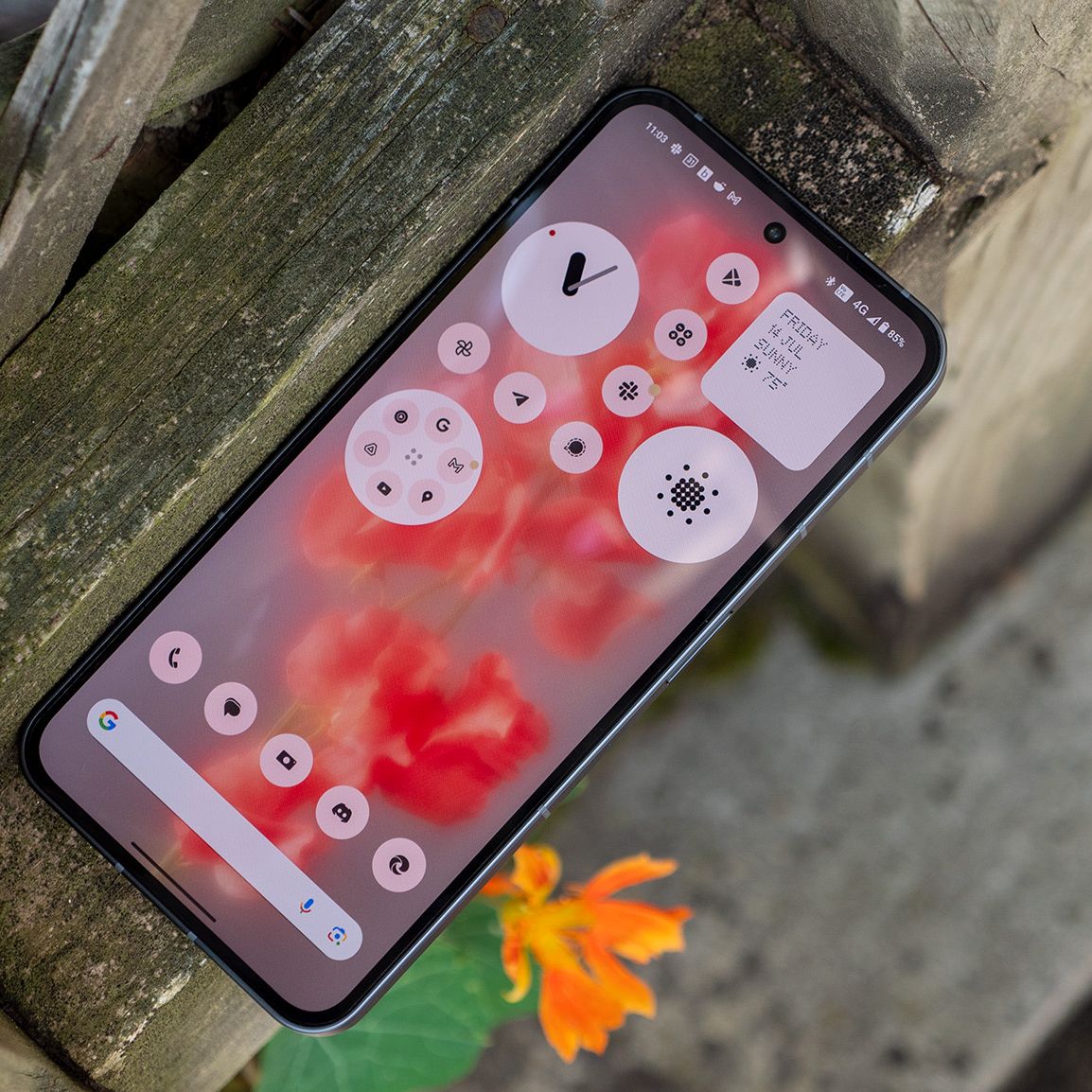
Users of the Nothing phone who have yet to install Nothing OS 4 may face a slightly extended wait.

(Image credit: Apoorva Bhardwaj / Android Central)

Essential information

  • It seems that Nothing has halted the distribution of the Nothing OS 4 update, which is built on Android 16.
  • A post on Reddit has purportedly shared an email from Nothing support confirming that the Nothing OS 4 update is on hold.
  • Nothing is reportedly developing a fixed version of the update that will be released after it passes internal evaluations.

Notice

Read More

Top 9 Unique Electronics Offered Exclusively at Walmart

Onn 50-inch 4K smart TV demonstrates precisely why Walmart established the brand to begin with. At only $178, you receive a 50-inch 4K UHD television featuring HDR capabilities and built-in Roku.

The image quality surprisingly holds up well for its affordable price, delivering sharp 2160p resolution that enhances the streaming experience. Regarding streaming, the Onn smart TV is compatible with numerous streaming services, such as Netflix, Amazon Prime Video, Apple TV, Disney+, and HBO Max. Additionally, you gain access to the Roku Channel, which is complimentary and filled with movies and shows you can enjoy without needing another subscription (but with

Read More